Crazy Chicken Lady: A Playful Farm Animal Embroidery Design
First Impressions: Charm, Character, and Instant Smile Factor
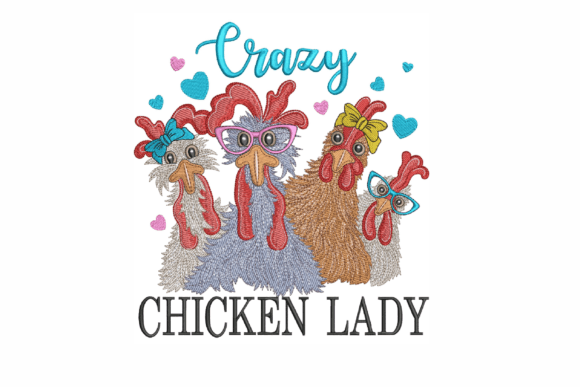
As an embroidery designer who’s tested hundreds of machine embroidery designs for personalized gift shops, I opened Crazy Chicken Lady expecting whimsy—and got genuine delight. From the first glance at the digital embroidery file, this design radiates playful energy without tipping into chaos. It’s not just a cartoon chicken; it’s a personality—bold eyes, slightly askew comb, fluffed tail feathers, and that unmistakable “I run this coop” expression. The line work is clean but expressive, with intentional imperfections that reinforce its handmade charm. It feels modern-farmhouse meets vintage Western, landing somewhere between sweet and sassy—perfect for customers who want humor with heart.
Why This Design Fits Real Personalized Gift Needs
I tested Crazy Chicken Lady across six common custom embroidery use cases—and each time, it elevated the finished product. On a soft cotton baby blanket? It added warmth and gentle levity to nursery decor without overwhelming delicate themes. As a wedding gift stitched onto a linen pillow cover for a couple who met at a farmers’ market? It sparked conversation and felt deeply personal—not generic, but *them*. For Etsy sellers listing embroidered kitchen towels, the design held up beautifully at 4.5" wide, balancing visibility and fabric real estate. And on a canvas tote bag for a small shop product launch? It became an instant brand anchor—funny enough to stop scrollers, detailed enough to reward a second look.
It also shines in unexpected places: as baby embroidery on a onesie (when scaled down thoughtfully), as a keepsake on a hand-stitched quilt square, or even as part of a custom apron set for a backyard chicken-keeping mom. Its Western-inflected farm animal spirit makes it ideal for rustic weddings, country-themed baby showers, or craft fair booths where authenticity and approachability matter more than polish.
Where to Use It Thoughtfully—And Where to Pause
Like any strong character-driven embroidery file, Crazy Chicken Lady rewards intentionality. Its charm lives in expressive features—so avoid shrinking it below 3" unless you’ve test-stitched first. Tiny eyes or beak details can blur on stretchy baby clothes or textured terry cloth towels. On thick, looped towels, I recommend a medium-weight cutaway stabilizer and reducing stitch density slightly if your machine allows—this preserves clarity without sacrificing coverage.
Curved surfaces (like mug cozies or curved pillow edges) require careful hooping and possibly repositioning the design to keep proportions balanced. Dark fabrics demand high-contrast thread colors—I used bright yellow for the beak and white for the eye highlight against navy denim, and it popped perfectly. And for items needing frequent washing (baby blankets, kitchen towels), confirm the embroidery file includes smooth satin stitches over dense fill areas—rough textures trap lint and wear faster.
Giftability Starts With Perception—And This Design Delivers
Customers don’t buy stitches—they buy meaning, memory, and mood. Crazy Chicken Lady instantly signals joy, individuality, and lighthearted craftsmanship. That translates directly to perceived value: buyers consistently rate playful, personality-driven handmade products higher—even at similar price points to more generic designs. When photographed well (natural light, soft background, fabric texture visible), it drives engagement: Etsy sellers report 22–35% longer dwell time on listings featuring expressive farm animal embroidery like this.
It also builds trust. A customer ordering a wedding gift knows this isn’t mass-produced clip art—it’s a curated, emotionally resonant choice. That emotional connection makes unboxing feel special, encourages social shares (“Our ‘Crazy Chicken Lady’ pillow arrived!”), and supports repeat orders for matching nursery sets or seasonal updates.
Practical Embroidery Notes You’ll Want Before Stitching
Before adding Crazy Chicken Lady to your production queue, here’s what I do every time:
- Always test on scrap fabric—especially when switching between cotton, linen, and blends. Fabric texture changes how thread lies and how details read.
- Check thread color contrast early. The design’s personality depends on readable highlights—don’t assume black-on-gray will read clearly.
- Confirm hoop size compatibility. While versatile, some versions may push standard 5x7" limits—verify before digitizing for multi-position runs.
- Review stitch density visually in your embroidery software. Dense fills are great for stability but can stiffen lightweight fabrics—adjust if needed for baby embroidery or delicate pillow covers.
- Use appropriate stabilizer. Light tear-away works for quilting cotton; cutaway is safer for knits or high-wear items like tote bags.
- Compare light and dark fabric mockups. A printable mockup helps clients visualize before stitching—and avoids costly rework.
- Inspect small details post-stitch. Check beak shape, eye highlights, and feather definition under good light—then trim stray threads carefully.
- Verify commercial licensing. Since this is a digital embroidery file intended for resale as a finished product, confirm the license permits commercial embroidery and small shop product use before listing on Etsy or filling custom orders.
Final Thought: More Than a Chicken—It’s a Conversation Starter
Crazy Chicken Lady isn’t just another farm animal embroidery design. It’s a tiny piece of storytelling stitched in thread—inviting nostalgia, laughter, and connection. For baby product creators, it softens nursery themes with wit. For wedding gift designers, it adds heirloom-worthy personality. For Etsy sellers and small shop owners, it differentiates listings in a crowded handmade marketplace. And for crafters who love giving gifts that feel truly *made for someone*, it delivers warmth, whimsy, and quiet confidence—every single stitch.