Fresh Lemon Fruit Embroidery Design Review
A Playful Yet Professional Touch for Small Business Branding
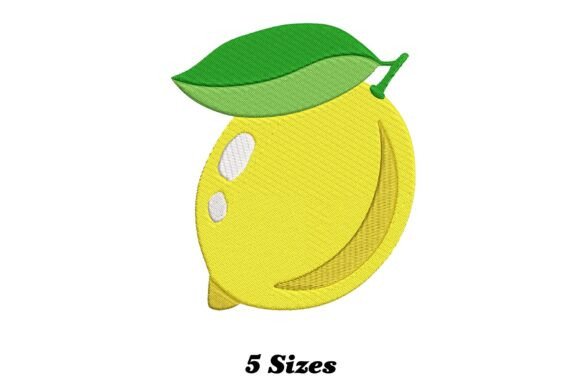
As an embroidery designer who’s developed and tested hundreds of machine embroidery designs for small businesses—from neighborhood cafés to Etsy-based craft studios—I approached Fresh Lemon Fruit with both curiosity and practical scrutiny. The title alone evokes brightness, freshness, and approachability—ideal traits for brands in food, wellness, lifestyle, or handmade markets. Based on the description—“a cool embroidery design” that adds “a playful and whimsical touch”—I expected lightness, charm, and visual friendliness. And it delivers—but not without important considerations for commercial use.
How Fresh Lemon Fruit Performs Across Real Business Applications
This design shines brightest where personality meets professionalism: embroidered patches for boutique merchandise, chest logos on staff aprons, sleeve accents on café uniforms, front-cap embroidery for local bakeries, and subtle tote bag branding for florists or farmers’ markets. Its whimsical character avoids feeling childish or overly cartoonish—making it versatile for adult audiences while still resonating with younger shoppers.
In practice, Fresh Lemon Fruit works exceptionally well as a standalone embroidered patch for gift packaging, product labels, or sew-on branding on reusable shopping bags. Its organic shape and implied texture suggest hand-drawn authenticity—valuable for handmade product positioning—yet its clean lines support crisp digitization at moderate sizes (2.5"–4"). As cap embroidery, it holds up best on structured front panels (not curved bill seams), and on work shirts, it reads clearly when placed above the left chest—even on textured fabrics like canvas or midweight cotton twill.
For custom apparel used daily—like café aprons or pet brand uniforms—Fresh Lemon Fruit contributes to cohesive brand identity without overwhelming the garment. It reinforces freshness and care, subtly aligning with values like natural ingredients, sustainability, or artisanal quality. That alignment boosts customer trust: a lemon isn’t just fruit—it’s shorthand for honesty, zest, and vitality.
Where to Use Fresh Lemon Fruit With Intention—and Caution
While charming, Fresh Lemon Fruit demands thoughtful placement. Avoid using it smaller than 1.75" as an embroidered patch—fine details (like stem definition or surface dimpling) may collapse under stitch density, especially on low-thread-count fabrics. Cap fronts under 2" can lose clarity; similarly, curved surfaces like baseball caps or tapered tote handles risk distortion unless the design is re-digitized for stretch compensation.
Dark uniforms require high-contrast thread colors—think bright yellow or lime green against navy or charcoal—to preserve visibility and vibrancy after repeated laundering. On highly textured fabric (e.g., terry cloth towels or bouclé home decor), test stitch density carefully: too many fill stitches can flatten dimension or cause puckering. Also verify spacing between elements—if the design includes subtle highlights or layered outlines, tight spacing may merge in production.
Strengthening Brand Identity Without Sacrificing Craftsmanship
Fresh Lemon Fruit supports strong brand recognition when used consistently—not as a one-off accent, but as part of a curated set of design assets. Pair it with clean sans-serif text for shop tags, or echo its curve in packaging illustrations. Because it feels handmade yet refined, it elevates perceived product value—especially for small-batch makers who sell directly to consumers. Customers associate that handmade presentation with care, attention, and authenticity—key drivers of engagement on Etsy, Instagram, or local markets.
Visually, it avoids dated trends. Unlike hyper-realistic fruit icons or ultra-minimalist line art, Fresh Lemon Fruit occupies a timeless middle ground: friendly enough for a children’s bakery, sophisticated enough for a botanical skincare line. That flexibility helps small businesses scale their merch program without redesigning core branding.
Practical Designer Notes Before You Digitize or Stitch
Before committing to bulk production, run these checks:
- Test in black and white first—verify contrast and silhouette integrity without color distraction.
- Confirm minimum viable size—does Fresh Lemon Fruit retain legibility at your smallest intended patch size?
- Review thread color contrast—especially for dark garments or high-wear items like aprons and tote bags.
- Inspect spacing and underlay—tight curves or overlapping elements need proper under-stitching to prevent gapping.
- Verify hoop size compatibility—if your embroidery machine uses smaller hoops (e.g., 4x4"), ensure the design fits without scaling down critical details.
- Test on real fabric—run samples on your actual base material, using the stabilizer you’ll use in production (cutaway for knits, tear-away for stable wovens).
- Create a printable mockup—share with clients before stitching to confirm alignment, proportion, and brand fit.
- Compare beside existing design assets—does Fresh Lemon Fruit complement your logo, typography, and other embroidery files—or compete with them?
- Confirm commercial licensing—since this is a digital embroidery file intended for small business merch and branded patch use, ensure your purchase grants rights for resale, client projects, and commercial embroidery.
Final Thought: A Strategic Asset, Not Just a Decoration
Fresh Lemon Fruit isn’t merely a food-themed embroidery file—it’s a strategic visual tool. When applied intentionally across uniforms, patches, and customer-facing products, it communicates energy, approachability, and care. For small business owners balancing budget, brand clarity, and craftsmanship, it’s a refreshingly versatile choice—provided you treat it like the professional asset it is: tested, scaled thoughtfully, and aligned with your larger brand story. Whether you’re launching a new line of citrus-infused candles or embroidering staff aprons for a farm-to-table café, Fresh Lemon Fruit brings more than charm—it brings cohesion.