Sewing Kit: A Charming Embroidery Design for Personalized Gifts
First Impressions: Sweet, Playful, and Thoughtfully Designed
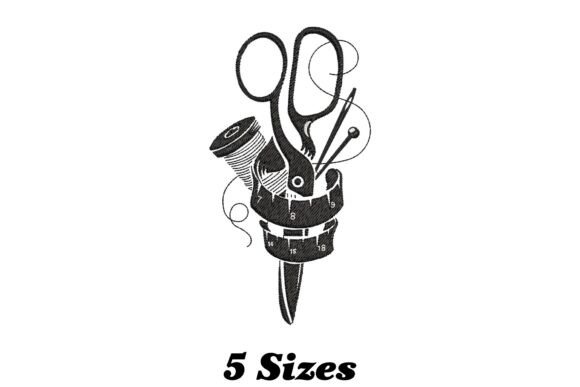
As an embroidery designer who’s tested hundreds of machine embroidery designs for retail gifting, Sewing Kit immediately stands out—not for flashiness, but for its quiet, heartfelt charm. It feels handmade without sacrificing polish: a gentle balance of whimsy and clarity. The lines are clean but not rigid; the motifs suggest stitching tools—spools, needles, tiny scissors—arranged with soft rhythm rather than strict symmetry. There’s no overwhelming density or fussy detail, which makes it feel approachable for both new stitchers and seasoned pros. Emotionally, Sewing Kit reads as warm, nurturing, and quietly celebratory—ideal for milestones like baby arrivals, weddings, or “just because” keepsakes.
Where Sewing Kit Truly Shines in Gifting
This isn’t just another decorative motif—it’s a storytelling tool. For baby embroidery, Sewing Kit adds tender meaning to receiving blankets, onesies (on stable cotton blends), and nursery wall hangings. Its soft geometry avoids looking too juvenile or overly technical, making it equally fitting for gender-neutral nurseries or heirloom-style baby books.
Wedding gift designers will love how Sewing Kit elevates kitchen towels, pillow covers, and linen napkins—items guests actually use. Stitched onto ivory linen or oatmeal cotton, it whispers “handmade with care” rather than shouting “wedding theme.” That subtlety builds trust: customers recognize quality craftsmanship, not mass-produced clip art.
Small shop owners and Etsy sellers can confidently list Sewing Kit as part of curated bundles—think “Stitch & Celebrate” collections pairing it with matching printable tags or fabric care cards. It also works beautifully as a custom embroidery preview on digital mockups: when layered over a tote bag or apron in product photography, it enhances perceived value instantly. Buyers don’t just see a bag—they see intention, warmth, and personal significance.
Smart Pairings Across Your Product Line
- Baby products: Ideal for blanket embroidery on midweight cotton or bamboo blends—avoid stretchy knits unless stabilized heavily.
- Home textiles: An embroidered towel or pillow cover gains instant character with Sewing Kit centered or subtly corner-placed.
- Wedding keepsakes: Works especially well on monogrammed linen handkerchiefs or guestbook covers—its gentle scale complements delicate typography.
- Craft fair staples: Use Sewing Kit on aprons or canvas totes to attract makers who appreciate insider charm (“a design made *for* stitchers, by stitchers”).
- Digital product sellers: Include Sewing Kit in themed embroidery packs—“Nursery Essentials,” “Kitchen Love,” or “Maker Moments”—with light usage notes and color palette suggestions.
Where to Use Sewing Kit With Care
While versatile, Sewing Kit isn’t universally forgiving—and that’s okay. Its appeal lies in thoughtful application, not forced versatility. Avoid placing it on:
- Dark or heavily textured fabric without testing thread color contrast first—light pastels may disappear on charcoal terry cloth or bouclé.
- Stretchy baby clothes like ribbed cotton bodysuits unless using cutaway stabilizer and reduced stitch density.
- Curved surfaces (e.g., mugs with fabric sleeves or rounded pillow forms) where distortion could blur fine line work.
- Thick terrycloth towels without proper hooping technique and dense stabilizer—stitch definition can soften if tension or backing isn’t dialed in.
- Products requiring frequent washing—always test washability on scrap fabric and recommend cold gentle cycles to customers.
How Sewing Kit Strengthens Your Brand & Customer Trust
When customers choose a personalized gift, they’re buying emotion—not just thread and fabric. Sewing Kit delivers that emotional resonance through its authenticity. It doesn’t mimic trends; it honors craft tradition while feeling fresh. That sincerity translates directly into buyer engagement: shoppers linger longer on listings featuring Sewing Kit, share mockup images, and leave reviews mentioning “so much more meaningful than generic text.”
For small business owners, that means higher conversion and repeat orders. For Etsy sellers, it supports premium pricing—customers understand they’re paying for intentional design, not just digitization. And for gift shop owners curating local maker collections, Sewing Kit signals quality curation. It’s the kind of embroidery file that makes your finished product look like it belongs in a boutique, not a big-box store.
Practical Embroidery Notes Before You Stitch
Before adding Sewing Kit to live customer orders, take these essential steps:
- Run a test on scrap fabric matching your intended product—same weight, weave, and dye lot if possible.
- Compare thread colors across light and dark fabric mockups; some palettes pop on white but mute on navy.
- Confirm hoop size compatibility—some versions of Sewing Kit may include multiple sizes; choose based on your product’s real-world placement.
- Review stitch density visually—if it looks overly compact in your software, consider slight scaling or adjusting underlay settings.
- Select stabilizer wisely: tear-away for stable wovens, cutaway for knits or high-wear items like totes.
- Zoom in post-stitch to verify small details—especially needle tips or spool curves—aren’t lost to pull or puckering.
- Verify commercial licensing terms before selling finished products—Sewing Kit is intended for commercial embroidery, but always double-check scope and attribution requirements.
A Design That Grows With Your Business
Sewing Kit isn’t just a seasonal pick—it’s a foundational embroidery file. Whether you’re launching your first Etsy shop or expanding a wholesale line of nursery goods, it adapts gracefully. Its quiet confidence invites customization: pair it with soft script monograms, layer it beneath floral borders, or let it stand alone as a minimalist statement. Most importantly, it reminds us why people seek handmade products in the first place—to give something that feels seen, chosen, and stitched with heart. That’s not just embroidery. That’s connection—delivered one thoughtful stitch at a time.